Bronchiolitis in Children
Worried your baby has bronchiolitis? Learn the symptoms, warning signs, home care tips, and when to seek emergency medical attention.
A baby who is feeding poorly, breathing rapidly, and making soft grunting sounds can deteriorate faster than most parents expect. What begins as a simple cold or mild stuffiness may suddenly become frightening when your infant starts breathing faster than usual, struggling to feed, or appear unusually tired.
Bronchiolitis is a common chest infection in babies and young children under 2 years of age, occurring especially during colder months [1].
While many infants recover well at home with supportive care, some can develop breathing difficulties that require urgent medical attention. Understanding the signs early can help parents know when to monitor at home and when to seek medical help.
What Bronchiolitis Is and Why Babies Are Vulnerable
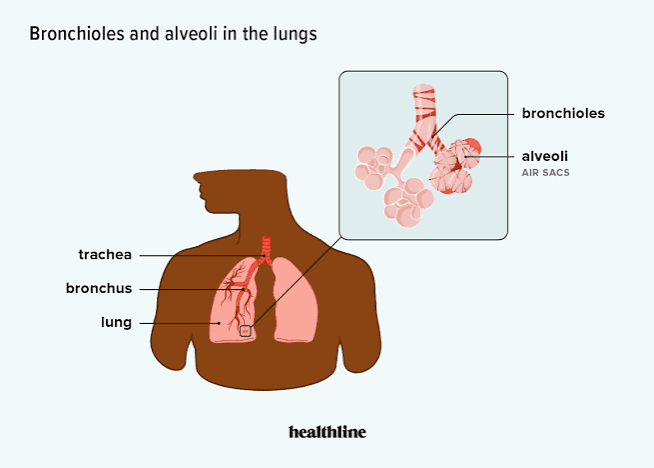
Bronchiolitis is a viral infection that affects the tiny airways in the lungs called bronchioles.
These small air passages become inflamed, swollen, and filled with mucus, making it harder for air to move in and out of the lungs.
The condition commonly affects babies under two years of age, with the highest risk seen in infants two to six months. More severe symptoms tend to occur in infants aged one to three months. Because the airways of babies are naturally smaller, even mild swelling can significantly affect breathing.
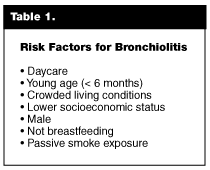
Several factors make babies more vulnerable to bronchiolitis [2]:
- Age less than 6 months
- Premature birth before 37 weeks
- Exposure to tobacco smoke
- Not being breastfed, which reduces the transfer of protective maternal antibodies
- Existing heart or lung conditions
- Compromised immunity
- Low socioeconomic status
- Exposure to crowded environments (attending daycare) or older siblings with infections
Respiratory syncytial virus (RSV) causes most cases of bronchiolitis, although other respiratory viruses, including rhinovirus and influenza, can also be responsible.
How Bronchiolitis Starts
The early symptoms of bronchiolitis are similar to a cold, such as sneezing, a runny or
blocked nose and a slightly high temperature.
A child with bronchiolitis may then get other symptoms after a day or two, such as [3]:
- Cough
- Breathing faster
- Difficult to feed or eat
- Noisy breathing (wheezing or crackling sounds)
- Becoming irritable
Symptoms are usually worse between days 3 and 5, and the cough usually gets better in 3 weeks.
Symptoms of Bronchiolitis
The symptoms can vary from mild to severe. Common signs include:
- Fast breathing
- Wheezing or whistling sounds while breathing
- Persistent cough
- Difficulty feeding
- Irritability or unusual sleepiness
- Flaring of the nostrils
- Chest pulling in under the ribs during breathing
- Mild fever
- Noisy breathing
Some babies may pause briefly while breathing, especially very young infants.
Parents should pay close attention to feeding patterns. Babies who are struggling to breathe may not have enough energy to feed properly.
Counting Your Baby’s Breathing Rate at Home
Many parents notice that their baby is “breathing too fast” but are unsure how to check properly. To count your baby’s breathing rate:
- Make sure your baby is calm or asleep.
- Watch the rise and fall of the chest.
- Count each breath for one full minute.
- Repeat if unsure.
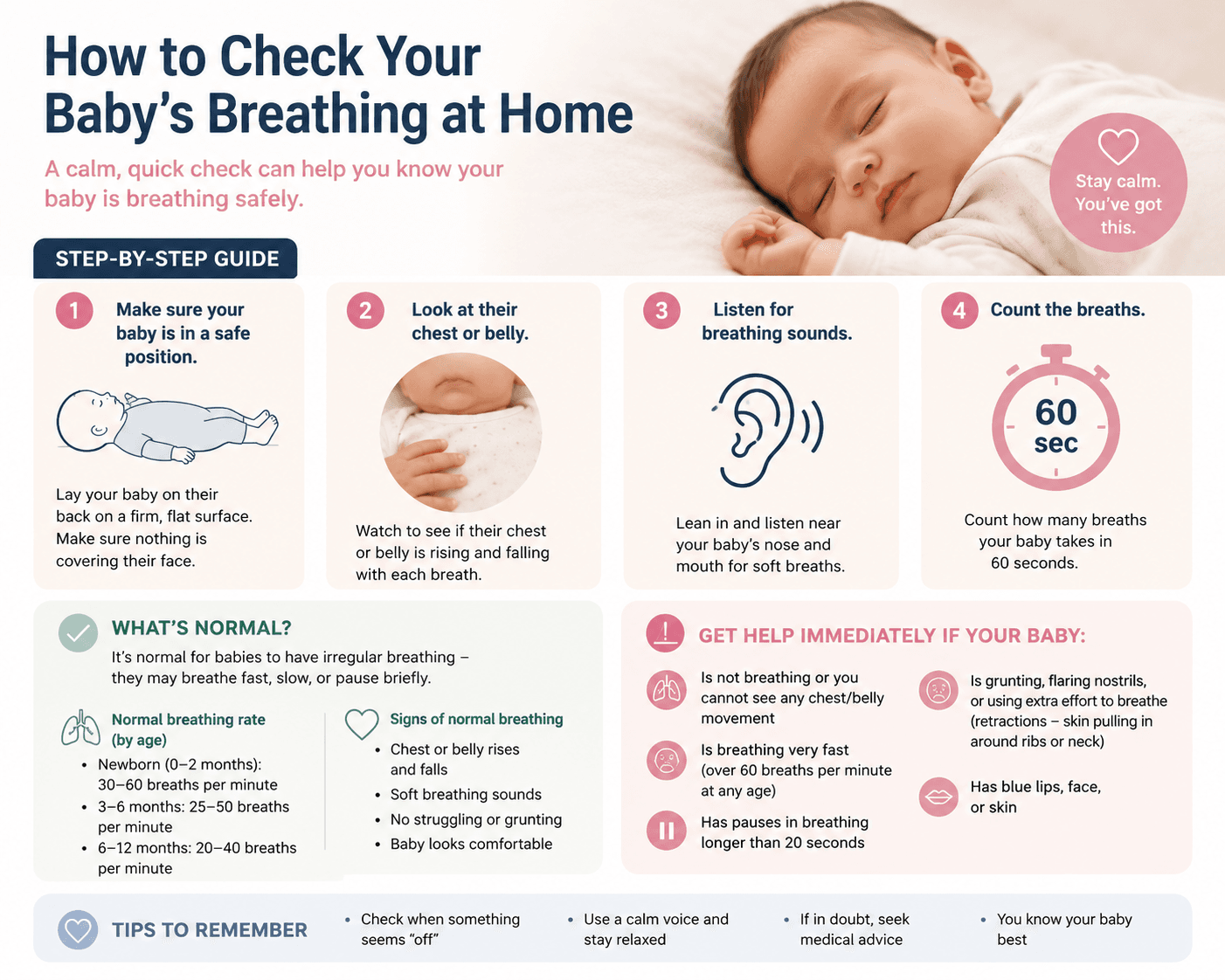
Breathing rates naturally vary with age, so it is more important to look for signs that your baby is working harder to breathe than to focus on a specific number alone. A baby who is breathing rapidly, working hard to breathe, or unable to settle should be assessed by a healthcare professional as this may suggest worsening illness.
Look for signs of increased effort such as:
- Chest sinking under the ribs
- Head bobbing during breathing
- Grunting sounds
- Persistent nostril flaring
These signs can indicate respiratory distress.
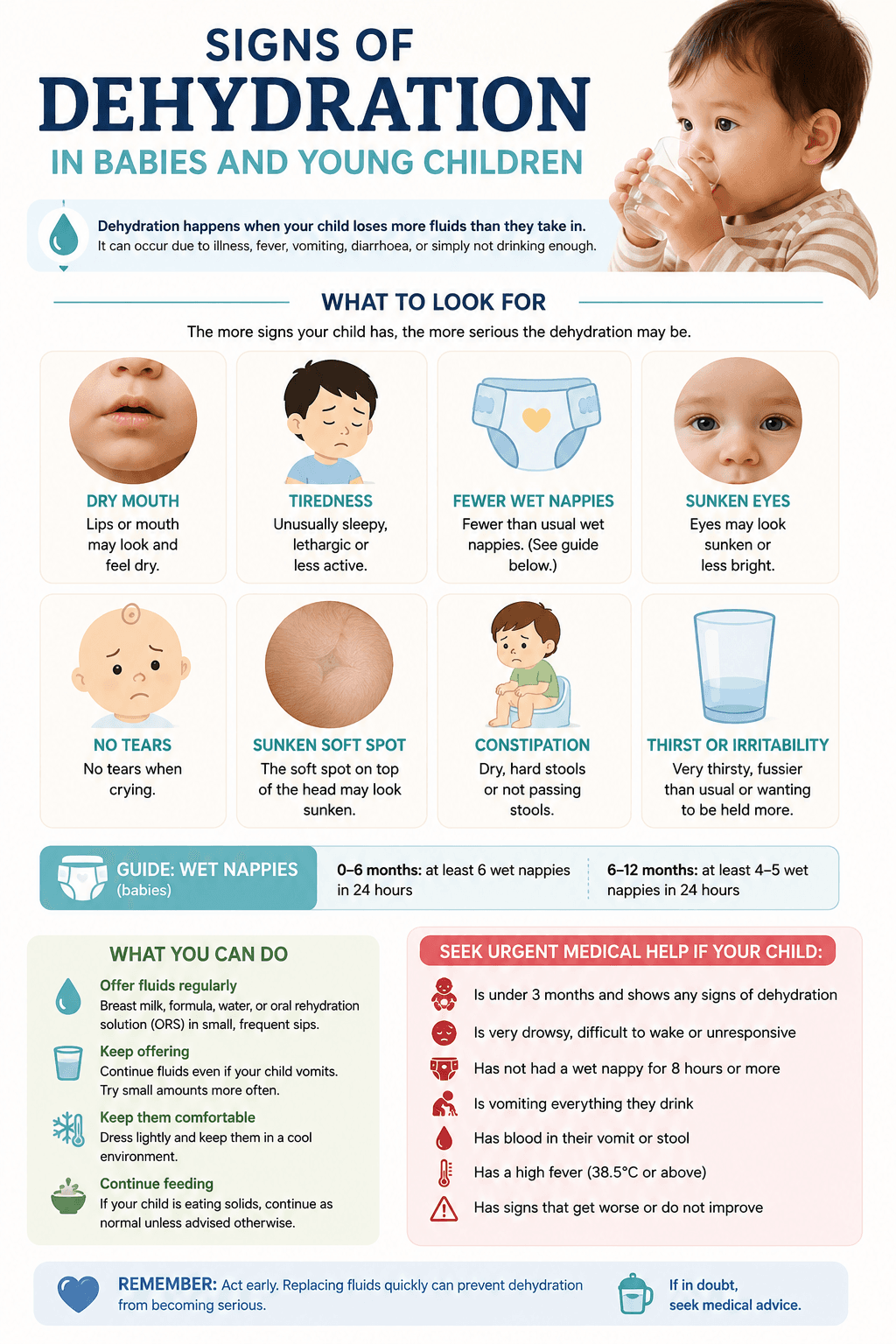
Feeding Challenges and Dehydration
One of the biggest concerns in bronchiolitis is poor feeding [4].
Because babies breathe faster during illness, feeding can become exhausting for them. They may stop frequently during feeds, refuse feeds altogether, or vomit after coughing.
Poor feeding also increases the risk of dehydration, particularly in young infants.
Signs of dehydration to look out for include [5]:
- Sunken soft spot (fontanelle) on top of their head
- Few or no tears when they cry
- Fewer wet nappies than usual
- Being drowsy or irritable
- Dry lips or mouth
- Sunken eyes
Smaller, more frequent feeds are often easier for sick babies to tolerate.
Home Management Tips That Help
Most cases of bronchiolitis are mild and can be managed at home with supportive care.
Helpful home care measures include:
Keeping the Nose Clear
Babies breathe mainly through their noses. Saline nose drops and gentle suctioning can help relieve congestion before feeds.
Hydration
Offer breast milk, formula, or fluids regularly in small amounts.
Keep the Baby Comfortable
Dress your baby comfortably and avoid overheating.
Allow Adequate Rest
Ill babies get tired easily. Support them to rest adequately as this helps recovery.
Avoid Smoke Exposure
Cigarette smoke worsens airway irritation and breathing difficulty. Keep your baby away from them.
Monitor Breathing Closely
Watch out for worsening fast breathing, pauses in breathing, or feeding refusal and seek medical advice immediately.
Red Flag Signs Requiring a Hospital Visit
Many parents say the baby only looked “a bit stuffed up” the day before breathing worsened.
Seek urgent medical care if your baby:
- Is struggling to breathe
- Has blue lips or fingertips
- Cannot feed properly
- Has significantly fewer wet diapers
- Becomes unusually sleepy or difficult to wake
- Stops breathing briefly
- Makes persistent grunting sounds
- Has severe chest indrawing
- Appears limp or weak
Very young babies, especially those under 3 months, should be assessed early if symptoms worsen.
NB: Antibiotics usually do not help because bronchiolitis is caused by viruses, not bacteria. Even at the hospital, management is usually supportive.
Recovery Timeline
Bronchiolitis usually peaks around day three to five of illness.
Many babies begin improving after this period, although the cough may continue for one to three weeks. Some infants may remain mildly wheezy for a while after recovery.
Parents should continue monitoring feeding, breathing, and hydration even as symptoms begin improving.
Final Thoughts
Watching your baby struggle to breathe can be frightening, especially when symptoms seem to worsen suddenly after what looked like a simple cold. Understanding the warning signs of bronchiolitis helps parents act early and seek help when needed.
Most babies recover fully with supportive care, but rapid breathing, feeding difficulties, and signs of breathing distress should never be ignored. When in doubt, it is always safer to have your infant assessed by a healthcare professional.
References
- National Health Service. (n.d.). Bronchiolitis. https://www.nhs.uk/conditions/bronchiolitis/
- Medscape. (n.d.). Bronchiolitis: Overview. https://emedicine.medscape.com/article/961963-overview
- American Lung Association. (n.d.). Bronchiolitis: Symptoms, diagnosis, and treatment. https://www.lung.org/lung-health-diseases/lung-disease-lookup/bronchiolitis/symptoms-diagnosis-treatment
- National Institute for Health and Care Excellence. (2021). Bronchiolitis in children: Diagnosis and management (NICE Guideline NG9). https://www.nice.org.uk/guidance/ng9/chapter/recommendations
- National Health Service. (n.d.). Dehydration. https://www.nhs.uk/conditions/dehydration/