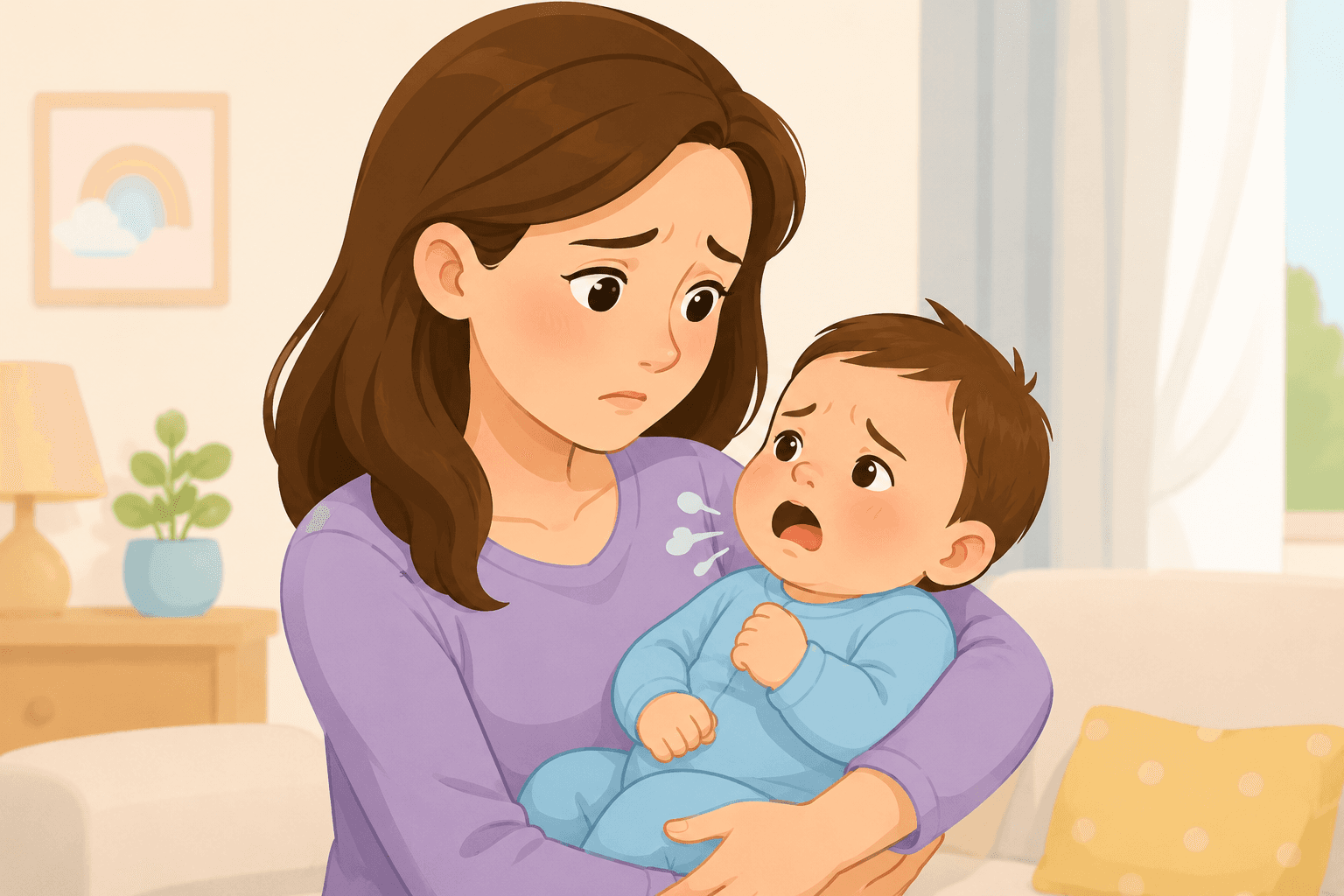
Common Breathing Problems in Children
Breathing problems in children can range from common colds to serious illness. Learn the warning signs and when to seek medical help.
Introduction
Breathing problems in children are among the most common reasons parents seek medical care. While many are caused by common viral infections, some may indicate a more serious condition requiring prompt medical attention. These problems often start with symptoms that seem minor: a cough after playing, noisy breathing at night, or a child who suddenly seems to be breathing faster than usual. Many parents assume it is just a common cold and wait for it to pass.
While most coughs and colds are harmless, some breathing problems can be signs of a more serious condition that requires medical attention.
Respiratory illnesses are among the most common reasons children visit hospitals and clinics worldwide.
According to the World Health Organization (WHO), conditions such as asthma, bronchiolitis, respiratory syncytial virus (RSV) infection, and pneumonia remain major causes of illness, hospitalization, and respiratory distress in children.
Understanding the warning signs can help parents recognize when a breathing problem is no longer "just a cold" and when professional medical care is needed.
Why Children Develop Breathing Problems More Easily Than Adults
Children are not small adults. Their respiratory systems are still developing, making them more vulnerable to breathing difficulties, particularly during respiratory infections.
Several factors contribute to this increased risk:
Narrower Airways
The airways of infants and young children are much smaller than those of adults [1]. Even mild swelling or mucus production can significantly narrow these passages and make breathing difficult.
A small amount of inflammation that would only cause mild discomfort in an adult might cause considerable breathing difficulty in a child. This is particularly important in illnesses such as bronchiolitis and asthma.
Increased Mucus Production
Children often produce large amounts of mucus during respiratory infections [1]. Because their airways are smaller, this mucus can block easy airflow.
This is one reason why infants with viral infections sometimes develop noisy breathing, wheezing and feeding difficulties.
Developing Immune System
Young children are still building immunity against viruses and bacteria. As a result, they experience respiratory infections more frequently than adults. In fact, WHO reports that Respiratory Syncytial Virus (RSV) infects nearly all children at least once by their second birthday [2]. While most infections are mild, some children develop severe breathing problems requiring hospitalization.
Allergy Sensitivity
Many childhood breathing conditions are influenced by allergies. Exposure to allergens such as dust mites, pollen, pet dander, mold, and air pollution can trigger airway inflammation and breathing difficulties in susceptible children [3]. Children with a family history of asthma, eczema, or allergies may be especially vulnerable.
Common Breathing Problems Parents Often Mistake for a Cold or Flu
Many respiratory conditions begin with symptoms that resemble a common cold. However, unlike ordinary viral infections, these conditions can progress and affect the lungs and airways.
Asthma
Asthma is one of the most common diseases that affects breathing in children [4].
It occurs when the airways become inflamed and overly sensitive to triggers such as:
- Dust
- Pollen
- Smoke
- Exercise
- Respiratory infections
- Cold air
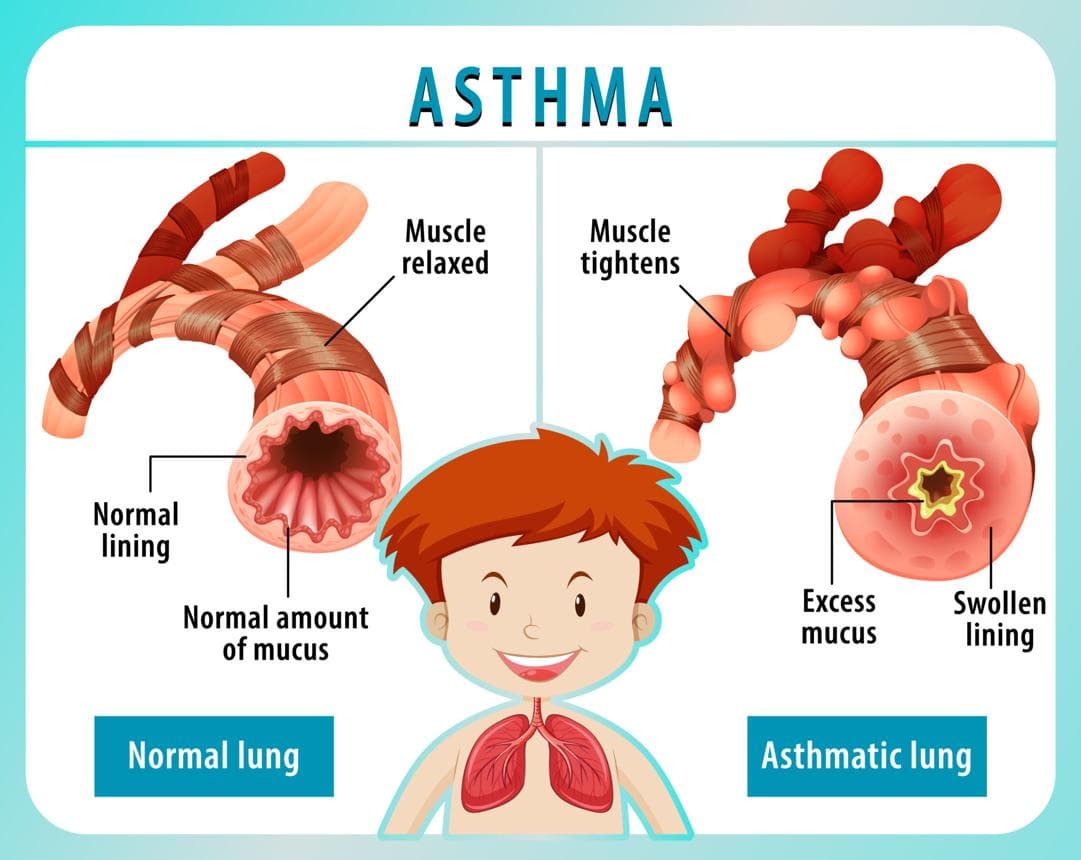
During an asthma attack, the muscles surrounding the airways tighten while the lining becomes swollen and produces extra mucus.
Common Symptoms of Asthma
- Recurrent coughing
- Wheezing
- Chest tightness
- Shortness of breath
- Coughing that worsens at night
- Breathing difficulty during exercise
Many parents mistakenly believe their child has repeated colds when they are actually experiencing uncontrolled asthma symptoms. Seek medical advice if you notice any of these symptoms in your child.
Bronchiolitis
Bronchiolitis is a common lung infection affecting infants and young children under age 2.
It occurs when the tiny airways of the lungs, known as bronchioles, become swollen and filled with mucus.
Bronchiolitis is commonly caused by viruses, particularly RSV. It can also be caused by the virus that causes COVID-19 and bacteria such as Mycoplasma pneumoniae [5].
Early Symptoms
Bronchiolitis often begins like a common cold with symptoms like:
- Runny nose
- Mild cough
- Low-grade fever
- Nasal congestion
Late Symptoms
After several days, symptoms may worsen to include:
- Wheezing
- Fast breathing
- Difficulty feeding
- Increased effort to breathe
Bronchiolitis is usually mild and can be treated at home. However, it’s best to get a diagnosis and direction from your doctor to ensure your child is safe.
Respiratory Syncytial Virus (RSV)
RSV is one of the most important respiratory viruses affecting children worldwide.
According to WHO, RSV causes more than 3.6 million hospitalizations annually and approximately 100,000 deaths among children younger than 5 years globally. It is a leading cause of lower respiratory tract infections in infants and young children.
Symptoms of RSV
Many RSV infections resemble a common cold and may cause:
- Runny nose
- Sneezing
- Mild cough
- Reduced appetite
- Fever
However, severe infections can progress to:
- Bronchiolitis
- Pneumonia
Infants younger than six months are particularly vulnerable because their airways are extremely small.
Risk Factors for Severe RSV
Children may be at higher risk if they [6]:
- Were born prematurely
- Have congenital heart disease
- Have chronic lung disease
- Have weakened immune systems
- Are younger than six months
These children may require closer medical monitoring when infected with RSV.
Pneumonia
WHO describes pneumonia as an infection that causes the air sacs of the lungs to fill with fluid or pus, making breathing difficult and reducing oxygen intake [7]. It is caused by infectious organisms such as viruses, bacteria, or fungi. It is a common cause of death in children.
Causes of Pneumonia
Common childhood causes include:
- Respiratory syncytial virus (RSV)
- Streptococcus pneumoniae
- Haemophilus influenzae type B (Hib)
Symptoms of Pneumonia
Children with pneumonia may develop:
- Persistent cough
- Fever
- Fast breathing
- Chest pain
- Difficulty breathing
- Poor feeding
- Fatigue
In children under five years of age, fast breathing, noisy breathing and lower chest wall indrawing (chest retractions) are important signs that should warrant immediate medical assessment.
Severe Allergic Reactions
Although less common, severe allergic reactions can rapidly cause breathing difficulties.
Triggers may include [8]:
- Certain foods (cow milk, eggs, peanuts, shellfish etc.)
- Insect stings
- Medications
- Latex exposure
A severe allergic reaction may cause swelling of the airways, making it difficult for air to pass through. This is an emergency known as anaphylaxis.
Emergency Symptoms (Signs of anaphylaxis)
Seek immediate medical care if a child develops:
● Sudden breathing difficulty
● Facial swelling
● Swelling of the tongue
● Persistent wheezing
● Difficulty speaking or crying
● Collapse
These symptoms require urgent medical emergency treatment.
Signs of Respiratory Distress in Children
One of the biggest challenges for parents is knowing when a breathing problem has become serious. Children, especially infants and toddlers, may not be able to tell you that they are struggling to breathe. Recognizing the early signs of respiratory distress in children can help parents seek medical care before a condition becomes severe.
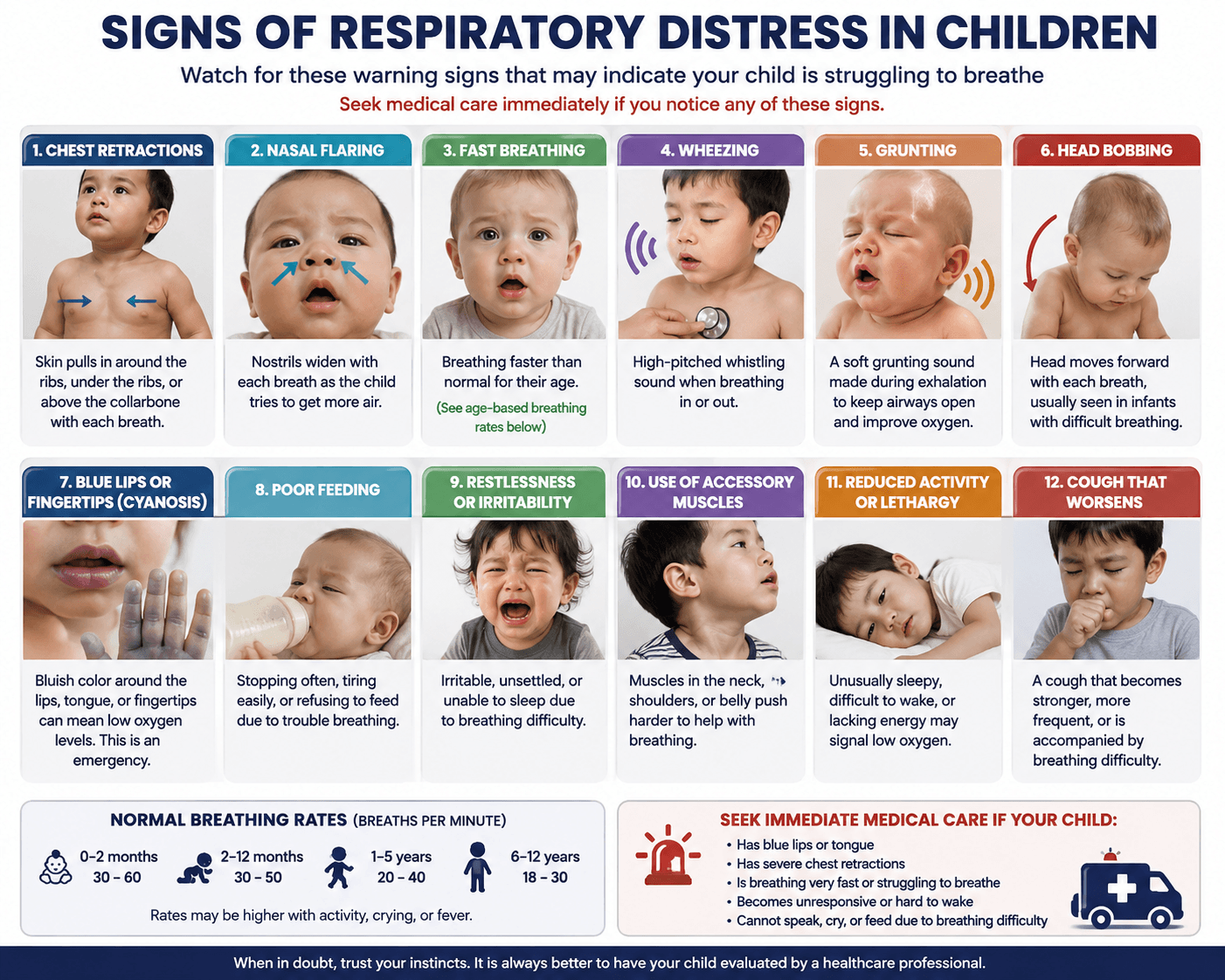
Some of these important signs are discussed below [9]:
Rib Sucking (Chest Retractions)
Chest retractions occur when a child has to work harder than normal to breathe. As the lungs struggle to pull in air, the skin between the ribs, below the ribs, or above the collarbone appears to sink inward with each breath.
Retractions are a sign that the child is using extra muscles to breathe and should never be ignored.
Retractions commonly occur in:
- Bronchiolitis
- Severe asthma attacks
- Pneumonia
- RSV infection
Studies identify chest wall indrawing as an important clinical indicator of severe respiratory illness in children.
Nasal Flaring
Nasal flaring happens when a child's nostrils widen during breathing. Children do this automatically when trying to get more air into their lungs.
Nasal flaring is particularly concerning in:
- Infants
- Young children
- Children with pneumonia
- Children with bronchiolitis
The symptom often appears before more obvious signs of respiratory failure develop.
Wheezing
Wheezing is a high-pitched whistling sound heard during breathing [10]. It usually occurs when the airways become narrowed due to:
- Asthma
- RSV infection
- Bronchiolitis
- Allergic reactions
Parents may notice the sound more clearly at night when the environment is quiet. Persistent wheezing should always be assessed by a healthcare professional.
Fast Breathing (Tachypnoea)
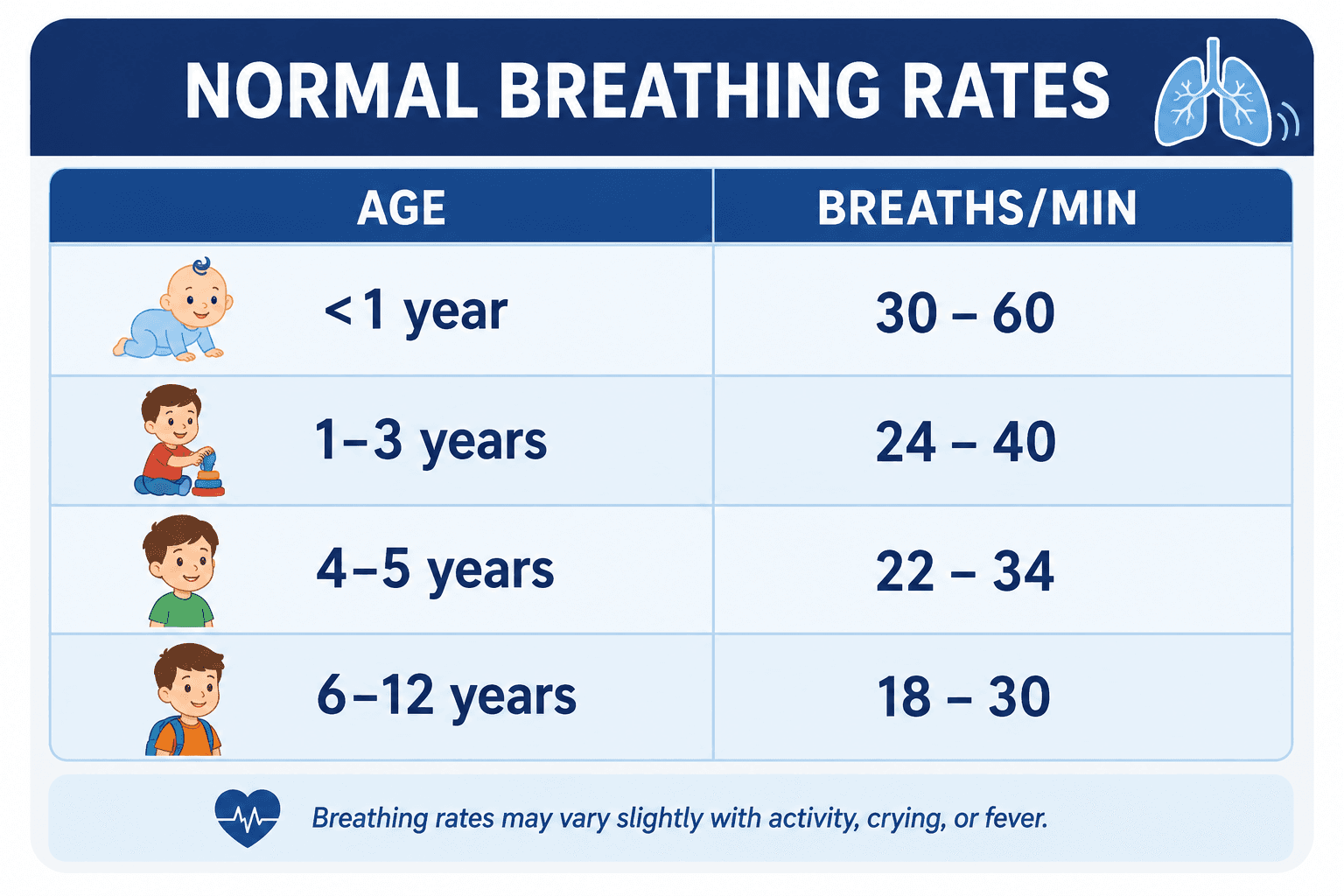
One of the earliest warning signs of respiratory illness is fast breathing. WHO uses rapid breathing as a key criterion in diagnosing pneumonia in children under five years of age [11].
Children may breathe faster because:
- Their lungs are infected
- Oxygen levels are falling
- Their body is trying to compensate for airway obstruction
Parents should be concerned when breathing appears noticeably faster than normal, particularly if accompanied by fever, chest retractions, or poor feeding.
Grunting
Grunting is a short sound made during exhalation. Children grunt because they are trying to keep their airways open and maintain oxygen levels. This sign often indicates significant breathing difficulty and requires urgent medical assessment [12].
Grunting is commonly associated with:
- Pneumonia
- Severe bronchiolitis
- Respiratory distress syndrome
Blue Lips or Blue Fingertips (Cyanosis)
Blue discoloration around the lips, tongue, or fingertips is one of the most serious warning signs.
This occurs when insufficient oxygen reaches the bloodstream. A child with blue lips requires emergency medical care. Do not wait to see if the symptom improves on its own.
Head Bobbing in Infants
Infants sometimes bob their heads forward with each breath when breathing becomes difficult.
This happens because neck muscles are being recruited to help move air into the lungs. Head bobbing is considered a significant sign of respiratory distress in infants.
Poor Feeding And Reduced Drinking
Breathing and feeding require coordination.
Infants struggling to breathe often:
- Stop feeding early
- Tire easily during feeds
- Refuse feeds altogether
- Produce fewer wet diapers
Dehydration can worsen respiratory illness and increase the risk of hospitalization.
Reduced Responsiveness
This particular sign can be scary to most parents and as you might expect, it is a medical emergency. A child who becomes unusually sleepy, difficult to wake, confused, or less responsive may not be receiving enough oxygen. Seek urgent medical attention immediately you notice this.
Day Symptoms vs Night Symptoms: Why Night-Time Changes Happen
Many respiratory conditions become worse at night as parents might often notice. This is due to several factors including:
Natural Changes in Airway Function
Research shows that airway narrowing tends to increase at night because of normal biological rhythms. This is particularly important in children with asthma.
Lying Flat
When children lie down flat, they might experience:
- Mucus accumulating in the airways
- Postnasal drip triggering cough responses
- Airway inflammation
This explains why some children seem well during the day but cough repeatedly at night.
Why You Should Not Dismiss Night-Time Breathing Symptoms
One of the most overlooked warning signs is breathing problems that become worse at night.
Children with asthma often experience worsening airway inflammation while sleeping. This can lead to:
- Persistent nighttime coughing
- Wheezing after bedtime
- Frequent waking from sleep
- Difficulty sleeping due to breathing discomfort
Repeated nighttime symptoms should never be dismissed as a simple cold.
Studies and clinical guidelines recognize nighttime cough and wheeze as important indicators of poorly controlled asthma [13].
Should You Be Worried If Your Child Coughs After Running?
Like everyone else, children naturally breathe harder after exercise. However, persistent coughing or breathing difficulty after activity may indicate exercise-induced bronchoconstriction, often associated with asthma.
Warning Signs To Look Out For
Parents should speak to a healthcare provider if a child:
- Frequently coughs after running
- Avoids physical activity
- Complains of chest tightness
- Develops wheezing after exercise
- Struggles to keep up with peers
According to the Global Initiative for Asthma, exercise-related cough and wheeze are common indicators of underlying asthma that may not yet have been diagnosed.
Home Care and Symptom Monitoring
Not every cough requires emergency treatment. For mild respiratory illnesses, parents can help children recover by monitoring symptoms carefully. Some home-based care measures you can try include:
Encourage Fluids
Adequate hydration helps to thin the mucus, prevent dehydration and support recovery. Infants may require more frequent feeds.
Use Saline Nasal Drops
For babies and young children, saline drops can help loosen nasal secretions and improve breathing. Gentle suctioning may also help infants feed and sleep more comfortably.
Reduce Exposure to Irritants
Avoid exposing children to:
- Cigarette smoke
- Air pollution
- Strong perfumes
- Indoor smoke
- Dust accumulation
Secondhand smoke significantly increases the risk of respiratory infections and asthma exacerbations.
Monitor Breathing Regularly
Parents should pay attention to:
- Breathing rate
- Chest movement
- Feeding ability
- Activity level
- Skin colour
Changes in these areas may indicate worsening illness and require immediate medical assessment.
Ensure Adequate Rest
Sleep helps the immune system fight infection. Children with respiratory infections should have opportunities for adequate rest and recovery.
When to Seek Medical Help
A child should be evaluated by a healthcare professional if they have:
- Persistent wheezing
- Recurrent nighttime coughing
- Fast breathing
- Fever lasting several days
- Difficulty feeding
- Symptoms that are worsening instead of improving
Early assessment can help identify asthma, pneumonia, bronchiolitis, RSV, or other conditions before complications develop.
Conclusion
Most childhood coughs are caused by viral infections and improve without complications. However, parents should understand that not every cough is "just a cold."
Conditions such as asthma, bronchiolitis, RSV infection, pneumonia, and severe allergic reactions can initially appear mild before progressing to significant breathing difficulties.
Knowing the warning signs, including chest retractions, nasal flaring, wheezing, rapid breathing, grunting, poor feeding, and blue lips can help parents recognize when a child needs medical attention.
When in doubt, it is always safer to have a child assessed by a healthcare professional. Early recognition and treatment can prevent complications and improve outcomes.
References
- National Institute of Health - Childhood Respiratory Disorders
- World Health Organisation - Respiratory Syncytial Virus
- Science Direct - Respiratory Allergy In Children
- World Health Organisation - Asthma
- National Institute of Health - Paediatric Bronchiolitis
- Science Direct - Risk Factors For RSV Infection
- World Health Organisation - Pneumonia
- Medscape - Anaphylaxis
- National Institute of Health - Paediatric Respiratory Distress
- National Health Service - Breathing Difficulties And Wheezing
- British Medical Journal - Classification And Treatment Of Pneumonia
- Frontiers - Respiratory Patterns
- National Institute of Health - Disease Control In Patients with Asthma
Frequently Asked Questions
How can I tell if my child's breathing is serious?
Signs such as chest retractions, nasal flaring, blue lips, grunting, difficulty feeding, extreme sleepiness, or rapid breathing require prompt medical evaluation.
Can RSV be mistaken for a common cold?
Yes. RSV often begins with symptoms similar to a cold, including a runny nose and cough. In some children, especially infants, it can progress to bronchiolitis or pneumonia.
Is wheezing always asthma?
No. Wheezing can occur with asthma, RSV infection, bronchiolitis, pneumonia, or allergic reactions. A healthcare provider can determine the cause.
When should I worry about my child breathing fast?
Fast breathing can be a sign of pneumonia or respiratory distress. If it is persistent, worsening, or associated with chest retractions, poor feeding, or lethargy, medical evaluation is recommended.
Why does my child cough more at night?
Nighttime coughing may occur because mucus accumulates when lying down, airway inflammation worsens during sleep, or asthma symptoms become more pronounced at night.
Further Reading